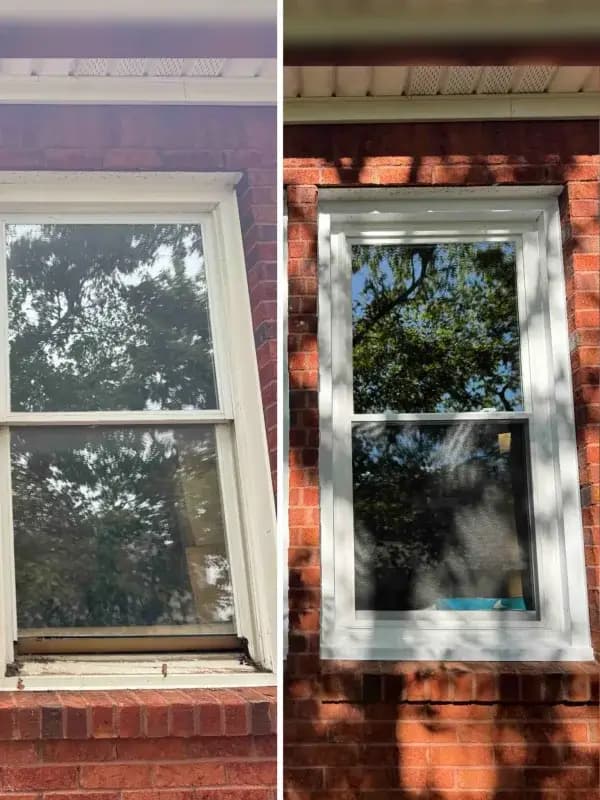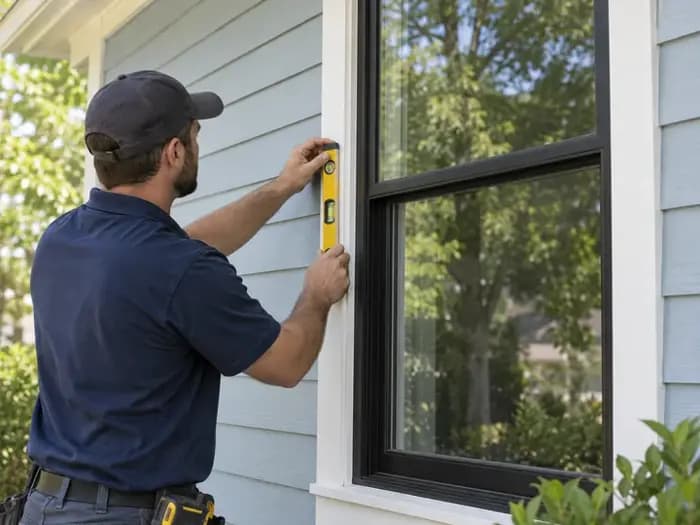
Exterior windows
Window Maintenance Tips for the North Alabama Climate
Six simple habits that help windows last longer in North Alabama's heat, humidity and heavy spring pollen, and when a problem needs a professional.
By the ACM Pros team, Madison, AlabamaUpdated 9 minute read

Quick answer
The most valuable window maintenance in North Alabama is clearing the weep holes at the bottom of each window frame after spring pollen season, because blocked weep holes trap water against the frame. Beyond that, clean sliding tracks without oil, check the exterior caulk joint every year, give south and west windows extra attention, wash gently without high pressure, and open every window twice a year.
Key takeaways
- Clear the weep holes at the bottom of each window frame every spring, because pollen blocks them and turns a drainage path into standing water.
- Clean sliding window and patio door tracks by vacuuming and wiping, and use only a dry lubricant if any.
- Check the exterior caulk joint around each window every year, especially on south and west walls.
- Wash frames and sills gently, because high pressure drives water past the seals.
- Open and close every window twice a year so hardware does not seize and every window can serve as a way out in an emergency.
- After any hail or wind storm, walk around the house and check glass, frames, screens and caulk.
The ACM Pros replaces exterior windows and installs exterior doors only. We do not install interior doors or interior windows.
A well-made window should give you many years of quiet service, but it is not maintenance-free, especially here. North Alabama's long, humid summers, strong afternoon sun and heavy spring pollen all work on windows in ways that a few simple habits can offset.
None of what follows needs special tools or a professional. Most of it takes minutes per window, and the payoff is a window that keeps draining, sealing and opening the way it was designed to.
Why maintenance matters more in this climate
Windows fail in predictable places: the seals, the drainage paths and the moving parts, and our climate stresses all three. Humidity keeps moisture against the frame for much of the year. Sun and heat age sealants and finishes on the exposed walls, and pollen and dust pack into every track and gap each spring.
Spring storms add their own test. Anyone who remembers the April 2011 outbreak knows how hard North Alabama weather can hit, and even an ordinary thunderstorm drives rain sideways against windows, where it finds any opening it can. A window with clear drainage and sound seals handles that water. One with blocked drainage holds it.
Different houses need slightly different attention. Wood windows in older homes, including many in Huntsville's historic districts, depend on intact paint to keep water out. First-generation double-pane windows from the 1980s and 1990s need a close eye on their seals, and newer vinyl windows mostly need clean tracks, clear weep holes and sound caulk.
1. Clear the weep holes
Most modern windows drain through small weep holes, usually slots or holes along the bottom of the frame on the outside. They are designed to let water that gets past the exterior seal drain back out instead of sitting inside the frame.
In this region they block with pollen and dust, reliably, every spring. A blocked weep hole turns a drainage path into a reservoir sitting against the frame. Clearing them takes minutes and is the highest-value thing on this list.
- Wait until the heaviest pollen has settled, usually late spring.
- Find the weep holes along the outside bottom edge of each window frame. Some have small flaps or covers.
- Clear each one gently with a pipe cleaner, a soft brush or a thin plastic tool, and avoid anything sharp that could tear a flap.
- Pour a little water into the bottom track from the outside and watch it run out through the weep holes. If it pools, clear them again or have the window checked.
- Never caulk or paint over weep holes. They are supposed to stay open.
If your windows have no visible weep holes, they may drain another way, or they may be an older design without them. That is worth asking about the next time someone looks at your windows. ENERGY STAR notes that exterior storm windows are designed with weep holes as well, so if you have storm windows, give them the same attention.
2. Clean the tracks, do not oil them
Sliding windows and sliding patio doors fail at the track, and the cause is almost always grit. Pollen, dust and sand build up in the channel where the sash rides. The sash is the moving panel that holds the glass, and once it starts to drag, it wears down its rollers and the weatherstrip, the flexible seal along its edges.
Vacuum the track with a crevice tool, wipe it with a damp cloth, and let it dry. If you use anything at all to help it slide, make it a dry lubricant, the kind that leaves a slick film rather than a wet one. Oil-based lubricants collect exactly the debris you were trying to remove. Do it again once pollen season ends, because a track left packed with yellow dust grinds all summer.
The same goes for double-hung windows, where the sashes slide up and down in side channels. If a window or patio door still drags after a good cleaning, its rollers or frame may be worn, and that is worth having looked at rather than forcing.
3. Check the exterior sealant every year
The joint where the window frame meets the siding or brick is sealed, usually with caulk, and sealant has a service life. Sun, heat and the constant expansion and contraction of the frame slowly pull it apart.
Once a year, walk around the house and look closely at that joint on every window. You are looking for:
- Cracks running along the caulk line
- Gaps where the caulk has pulled away from the frame or the wall
- Caulk that has turned hard, brittle or chalky
- Missing sections, especially at the top corners
Pay the closest attention to south and west walls, where the sun's ultraviolet load is highest. Resealing a joint is inexpensive. Replacing framing that got wet because a joint opened up is not.
If you reseal a joint yourself, cut out the old caulk completely, clean and dry the joint, and use an exterior sealant made for the materials on each side. New caulk run over old, cracked caulk rarely lasts long.
One caution: never run caulk over weep holes or other drainage gaps at the bottom of the frame. If you are not sure which gaps to seal and which are drains, ask before you caulk.
4. Watch the south and west walls most closely
Your south and west windows do far more work than the ones facing north. Ultraviolet light, heat and thermal cycling, the daily heating and cooling of the frame and glass, are concentrated there, and that is where seals and finishes fail first.
If you are only going to inspect some of your windows, inspect those. Look for fading or chalking on frames, brittle caulk, and any haze between the panes, which means the seal around the glass has failed.
If you have wood windows
Wood windows need one more check on these walls. Look closely at the paint on the sill and the bottom of each sash, where water sits longest. Bare or cracked paint lets wood soak up moisture quickly in this humidity, so touch it up before it turns into soft wood.
5. Keep the exterior clean, gently
Organic growth such as mildew and algae on frames and sills holds moisture against the window. In our humidity it takes hold quickly on shaded, north-facing walls. Washing helps, but do it at low pressure.
High pressure at a window drives water past the seals, which is the opposite of the goal. It is the same reason we recommend soft washing siding rather than pressure washing it. A garden hose, a soft brush and a mild cleaner do the job safely. Skip harsh solvents and abrasive pads on vinyl and painted frames, since they can dull or scratch the finish.
Screens collect pollen too. Lift them out, rinse them with a hose and let them dry before putting them back. Keep to what you can reach from the ground or a sturdy step stool, and leave second-story windows to someone with the right ladder and equipment.
6. Open and close every window twice a year
Open and close every window in the house, including the ones you never use. Hardware that never moves seizes, and a window you cannot open is a window that will not serve as a way out in an emergency. That matters most in bedrooms.
Working every window also finds binding sashes and failed balances early, while they are still small problems. The balance is the spring or counterweight system that holds a double-hung sash in place when you lift it. Check that each lock closes fully, since a lock that will not engage often means the sash no longer lines up with the frame.
Look at the weatherstrip while you are there
While each window is open, look at the weatherstrip along the sash and frame. If it is flattened, torn or missing in spots, the window will leak air even when it is locked. On many windows it can be replaced without replacing the window.
A simple twice-a-year schedule
Timing the work around pollen season keeps it simple. Here is how the year breaks down.
| Task | Late spring, after pollen | Fall, before cooler weather |
|---|---|---|
| Clear weep holes | Yes, the most important time | Yes, after leaves drop |
| Vacuum and wipe tracks | Yes | Yes |
| Inspect exterior caulk | Quick look | Full walk-around after summer sun |
| Gentle exterior wash and screen rinse | Yes, to clear pollen | As needed |
| Open, close and lock every window | Yes | Yes |
| Check weatherstrip for gaps or tears | Yes | Yes |
One more check belongs outside the calendar. After any hail or wind storm, walk around the house and look for cracked glass, dented or split frames, torn screens and missing caulk. Damage that is easy to miss from the ground can let water in for months before it shows inside.
When maintenance is not enough
Maintenance extends a window's life, but it cannot bring back one that has failed. These signs point past routine care:
- Fog or haze between the panes that will not wipe off from either side
- Soft or stained wood at the sill
- A sash that binds or sticks even after the tracks are clean
- Drafts you can still feel with the window closed and locked
- Water that keeps collecting in the frame even with clear weep holes
When you see these, it is time for a closer look. Some problems can be repaired, and others mean the window has reached the end of its life. When it is time for window replacement, a damaged sill or frame usually calls for a full-frame replacement, which takes the old window out down to the framed opening in the wall so any rot can be found and repaired.
If something on your walk-around does not look right, we are happy to take a look. The ACM Pros is a family-owned exterior contractor based in Madison, serving Huntsville, Harvest and towns across North Alabama, and our estimates are free with no pressure to sign. Request a free estimate or call (256) 585-6817.
Questions people ask
What are weep holes and why do they matter?
They are small drainage openings along the outside bottom edge of a window frame. Water that slips past the outer seal is meant to run back out through them. When pollen, dirt or paint blocks them, that water stays in the frame, which is how sills and framing start to rot.
How often should windows be maintained in North Alabama?
Twice a year is enough for most homes: once in late spring after the pollen settles and once in the fall. Clear the tracks and weep holes, check the weatherstrip, and look over the exterior caulk joint. For most houses it is an afternoon's work.
What should I use on a window that sticks?
Clean it first, since grit causes most sticking. If it still needs help, use a dry lubricant rather than oil or grease, which hold onto dust and pollen. If the sash still binds after cleaning, have the frame checked instead of forcing it.
Can I pressure wash my windows?
It is best not to. High pressure can force water past the seals and into the frame or the wall around it. A garden hose, a soft brush and a mild cleaner get the job done without that risk.
How do I know if the caulk around my windows needs replacing?
Look for cracks along the bead, gaps where it has pulled away from the frame or wall, and caulk that has turned hard, brittle or chalky. South and west walls usually show it first. Remove the old caulk fully before applying new, and never seal over weep holes.
Do vinyl windows need maintenance?
Less than wood, but some. Vinyl never needs painting, yet its tracks, weep holes, weatherstrip and the caulk joint around it still need the same seasonal attention. Keeping those parts in order is what lets the frame do its job.