The ACM Pros Exteriors
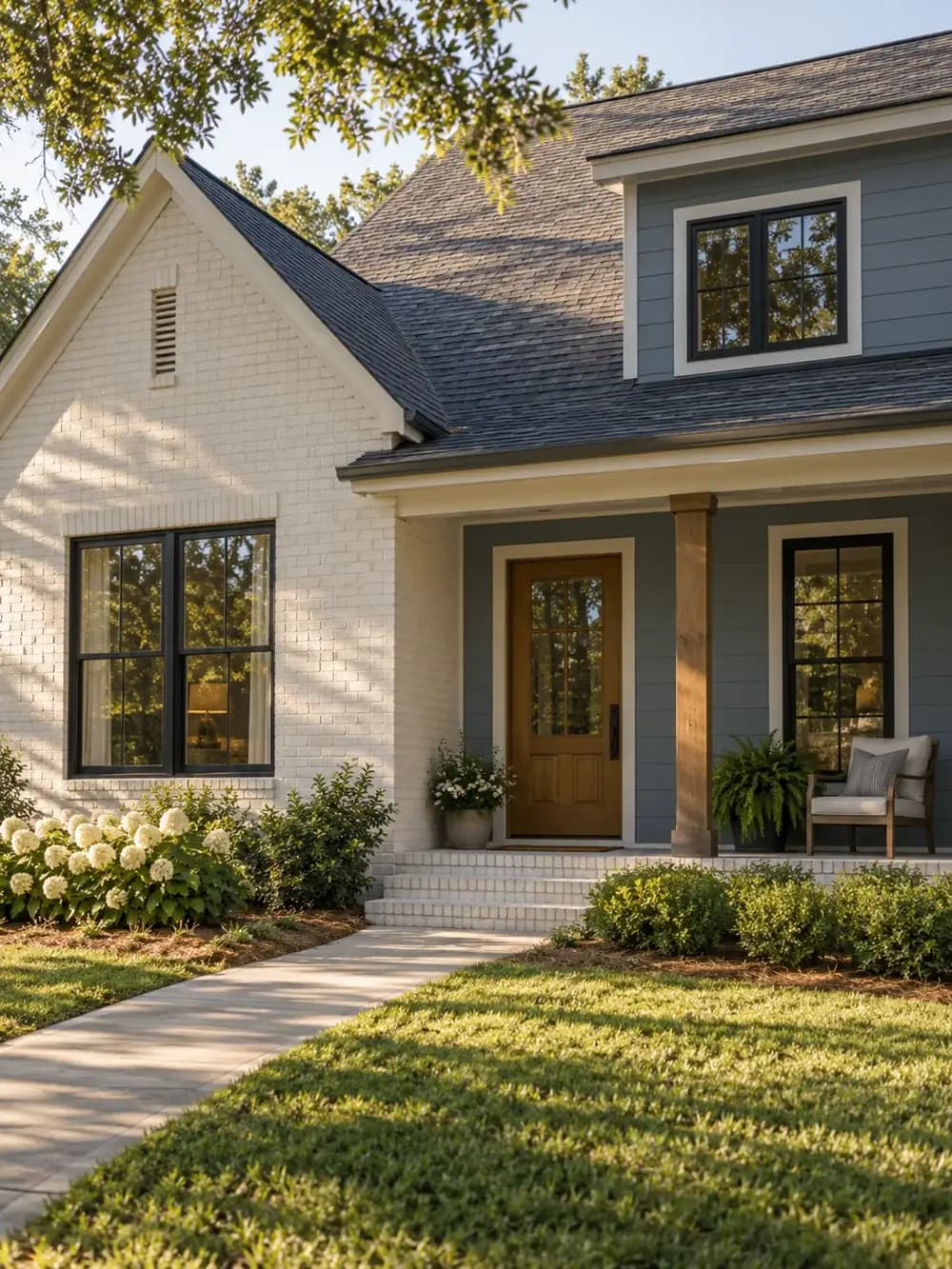
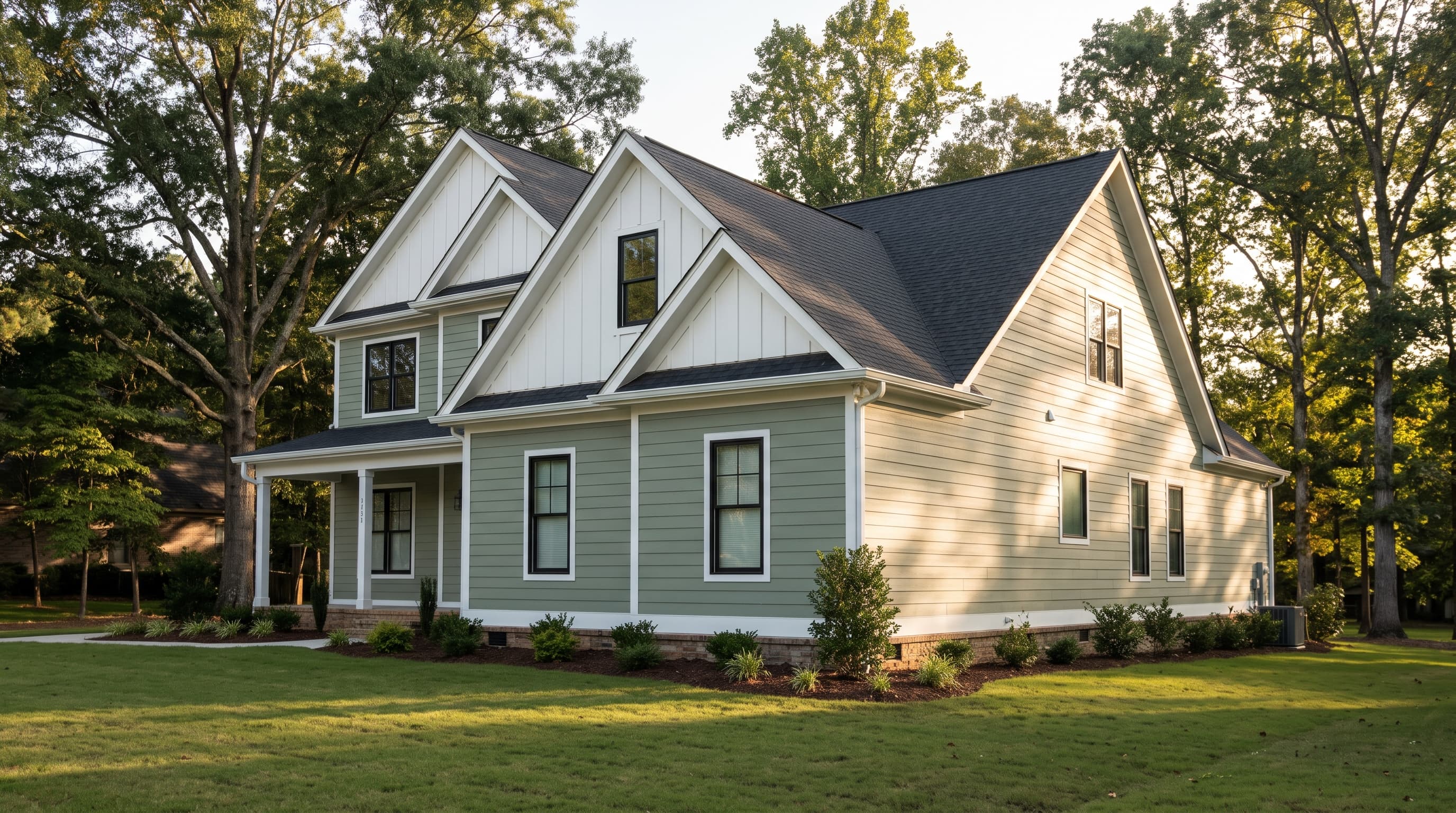
A two-story home with new sage green lap siding and white board-and-batten gable accentsIllustration

Siding inNorth Alabama

Siding, house wrap and the moisture details behind it. In this humidity, what sits behind your siding matters more than the siding itself, so that is where we start.

Siding, house wrap and the moisture details behind them.

In this humidity, what sits behind your siding matters as much as the siding itself. That is where we start.

Quick answer

Good siding work in North Alabama starts behind the siding: the old boards come off, the sheathing is checked and any rot is replaced, then house wrap and flashing go on before the new siding. The ACM Pros install fiber cement and vinyl siding and replace soffit and fascia across Huntsville, Madison and nearby towns, with free in-home estimates.

At a glance

Materials
Allura fiber cement shake and lap, and vinyl
Scope
Whole-house re-side or a single wall
Behind the siding
Sheathing checked, house wrap taped, every opening flashed
Rot
Photographed and shown to you before anything is covered
Estimate
Free, in your home, with a written line-item scope
License
Alabama license #307601, insured

Fiber cement vs vinyl siding in North Alabama

Fiber cement vs vinyl siding in North Alabama
What mattersFiber cementVinyl
Hail and storm debrisHeavier and more impact-resistant, a real plus on exposed wallsLight and flexible, so it flexes rather than dents under everyday knocks
Summer heatDoes not soften, warp or ripple, even on a hot west wallCan distort in specific spots, such as near reflective glass or a grill
UpkeepHolds paint well, but painted boards need a repaint eventuallyColor runs all the way through, so there is no repainting. Washing is the upkeep
LookDeep shake and lap texture that looks right up close and on older homesClean, even lap lines. On a plain wall at normal distance, most people cannot tell
Color choiceAny paint color, including dark shadesLimited to the colors the maker offers
Upfront costHigher, mostly in labor, since it is heavier and slower to cut and hangThe most budget-friendly route to a fresh, weather-ready exterior
Best fitStorm-facing walls, character homes and houses you plan to keepSheltered walls, tighter budgets, or when the roof needs the money first

The details

Siding is a rain screen, not a skin

Siding is not waterproof, and it is not meant to be. Some rain always gets behind it. What keeps a wall sound is the layer underneath: the weather-resistive barrier, which is the house wrap that sheds water behind the siding, plus flashing at every opening and a path for moisture to drain and dry.

In long spells of high humidity, a wall that cannot dry out holds moisture against the sheathing, the wood panels nailed over the wall frame. That is behind most of the rotted OSB board we cut out of houses in this region.

Storm damage here also comes from one direction. Wind-driven rain and hail hit some walls much harder than others. It is common for one wall to need full replacement while the other three are fine, and we scope the job that way rather than selling you the whole house.
What happens behind the siding

Tear-off and inspection
The old siding comes off and the sheathing is checked across the whole wall. Soft boards are replaced. Covering them is the cheapest choice on the day and the most expensive one over ten years.
Weather-resistive barrier
House wrap goes on shingle-lapped, so each upper row overlaps the one below and sheds water outward. Seams are taped. This, not the siding, is the real water barrier.
Flashing at openings
Every window, door, outdoor faucet, dryer vent and light mount gets flashing, a thin metal or membrane piece that steers water out, tied into the barrier. Openings are where walls fail.
Rotted framing repair
Where rot has reached the studs or the bottom plate of the wall, we repair the framing from outside while the wall is open, before any siding goes back on.
Siding and trim
Fastened the way the maker specifies. Corner posts and J-channel, the trim pieces that frame the siding, are set to shed water rather than collect it.

What a re-side involves

We tear off one wall at a time, so your house is never left broadly open. The sheathing underneath is the reason we do not quote new siding over old. You cannot inspect what stays covered.

Anything soft is replaced, and we photograph it and show you before it disappears again. Then come the house wrap, the taped seams and the flashing. The new siding goes on last. It is the part that takes the least skill, because how the wall performs was decided three steps earlier.

Mistakes we find behind other people's siding

  • House wrap lapped the wrong way. Upside-down laps funnel water into the wall instead of shedding it. It is common, and invisible once the siding is on.
  • Openings that were caulked but never flashed. Faucets, dryer vents and light mounts are each a hole in the wall's water barrier.
  • Vinyl nailed too tight. Vinyl has to move as it heats and cools. Nailed tight, it buckles in summer, and most makers will not cover that.
  • Rotted sheathing covered instead of replaced. The cheapest decision on the day and the most expensive one over ten years.

Signs it is time to look behind your siding

  • Soft spots when you press on siding or trim
  • Staining or peeling paint in a pattern that follows the wall framing
  • Warped, buckled or loose boards, most often on the wall that faces the weather
  • Cracked caulk and open gaps around windows, doors and vents
  • Cracked, dented or broken boards after a hail storm

How a siding job works

Free in-home estimate
We walk the outside of your house, measure, look for rot and show you the options.
A written scope
You get a line-item estimate that names every material and explains how any rotted sheathing will be priced. There is no pressure to sign.
Materials ordered for your home
Specified for your walls and ordered once you decide to go ahead.
Installed and cleaned up
Cut, fitted and trimmed, then the site is cleaned and the old siding hauled away.

What affects the price

We price after measuring, line by line, with the materials named. These are the things that move the number.

  • How many walls are being done, and their square footage
  • Material: fiber cement, vinyl or a mix of both
  • Rotted sheathing or framing found once the old siding is off
  • Number of windows, doors and other openings to flash
  • Trim, corners, and whether soffit and fascia are included
  • Number of stories and access around the house

How a job works

  1. Step 1: Free in-home estimate

    We walk your exterior, measure, and show you the options. There is no charge and no pressure.

  2. Step 2: Choose your materials

    You get a written scope with every line and material named. Then we order for your home.

  3. Step 3: Installed and cleaned up

    Cut, fitted, trimmed, cleaned up and hauled away the same day. You never look at a pile of old frames.

Questions people ask

Can you put new siding over the old siding?

We do not recommend it. It hides the condition of the sheathing, adds thickness that makes window and door flashing harder, and traps moisture. There are rare cases where it is defensible, but most of the time it is a way to make a bid look cheaper.

How do I know if there is rot behind my siding?

Look for soft spots when you press, and staining or peeling paint in a pattern that follows the wall framing. Indoors, trim pulling away or a musty smell in a closet on an outside wall are clues too. We can open a small area from the outside to confirm before we commit to a scope.

Do you replace one wall or the whole house?

Whichever the damage justifies. On a partial job, matching older vinyl is a real limit, because many older profiles are no longer made and the old walls have faded. We will tell you straight how close the match will be before you commit.

Which is better here, fiber cement or vinyl?

Both are good products. Fiber cement handles heat, hail and storm debris better and suits older homes. Vinyl costs less and never needs paint. Many houses do well with fiber cement on the exposed walls and vinyl on the sheltered sides.

Why do two siding quotes on the same house differ so much?

Usually because one assumes the sheathing behind your siding is sound and the other has allowed for finding out. The siding is the visible part of the price. If a quote does not mention house wrap or flashing, it is a siding quote, not a wall quote.

Can I get a firm price before work starts?

For the siding, yes. The sheathing can only be judged once a wall is opened. The honest way to handle that is a firm price plus a stated rate for any rot we find, so a discovery does not turn into a renegotiation.

Do you replace soffit and fascia with the siding?

We can, and it often makes sense. Soffit, the underside of the roof overhang, and fascia, the board along the roof edge, often rot before the siding does. If the soffit is vented, we also check that it lets enough air into the attic.

Is my house too old for new siding?

No. On a historic home in Huntsville's Five Points district, we used Allura fiber cement shake on the gables and lap siding on the walls. The house kept its character and gained better weather protection.

Guides on this topic

All articles
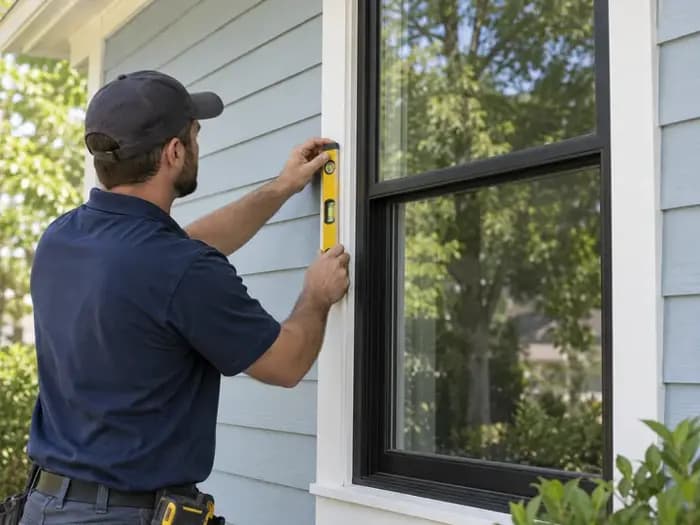
An installer checking a new exterior window with a level
Illustration

Let's get your home looking its best.

Tell us what you're picturing. We'll come out, measure up, and give you a free written estimate, so you know exactly what to expect before any work begins.

  • Free measuring and written estimate
  • No pressure to sign, ever
  • Alabama license #307601, licensed and insured